16 9 月, 2025 • 4 min read
Fiber Laser Cutting vs. Traditional Cutting: What Has Changed?
Fiber laser cutting has become an important technology in modern sheet metal manufacturing.
Compared with many traditional cutting methods, fiber lasers provide a combination of high cutting speed, precision, flexibility, and digital process control.
But choosing a laser cutting machine should involve more than simply comparing laser power.
Manufacturers should understand how the technology fits their actual production requirements.
What Is Fiber Laser Cutting?
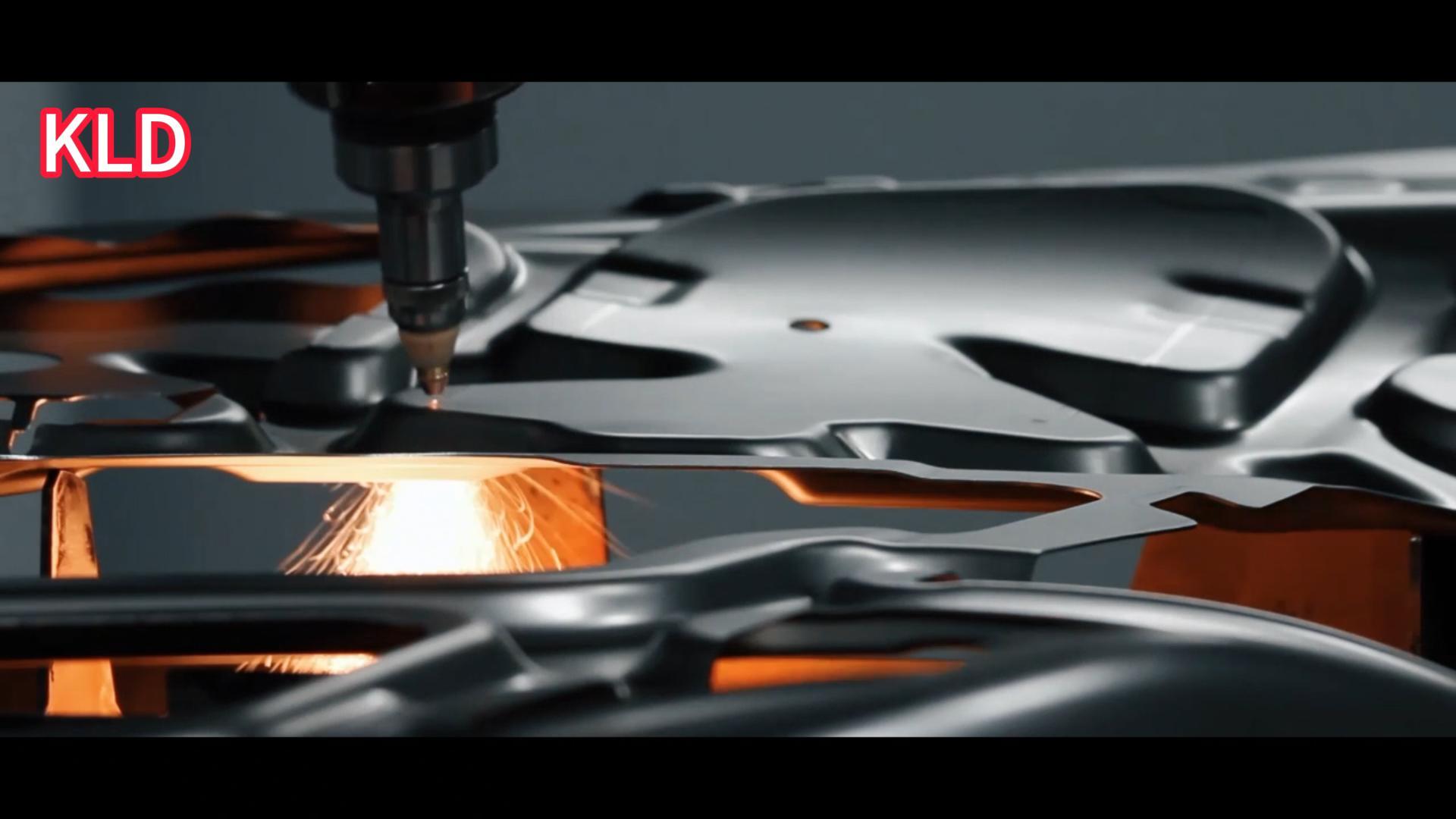
A fiber laser cutting machine uses a high-energy laser beam to cut sheet metal.
The laser is generated through a fiber-based optical system and directed onto the workpiece through a cutting head.
Assist gas is used during the cutting process to help remove molten material and achieve a clean cut.
The cutting head moves according to CNC instructions, following the programmed geometry.
This allows manufacturers to produce complex shapes directly from digital drawings.
Why Has Fiber Laser Become So Popular?
One major advantage is process flexibility.
A single machine can cut many different part geometries without requiring a dedicated mechanical cutting tool for each shape.
The production process can therefore move efficiently from:
CAD Drawing → CNC Program → Laser Cutting → Finished Blank
This digital workflow is particularly valuable for manufacturers producing many different components.
Fiber Laser vs. Mechanical Cutting
Traditional mechanical cutting methods can be highly effective for specific applications, particularly where production is extremely repetitive.
However, changing product geometry may require different tooling or setup.
Fiber laser cutting is highly programmable.
Changing the cutting pattern can often be achieved simply by changing the CNC program.
This makes laser cutting particularly attractive for:
- Prototyping
- High-mix production
- Medium-volume manufacturing
- Custom components
- Complex profiles
Cutting Accuracy
Laser cutting can produce precise profiles with relatively narrow kerfs.
Actual cutting quality depends on many factors, including:
- Laser power
- Material
- Thickness
- Cutting speed
- Focus position
- Nozzle condition
- Assist gas
- Machine structure
- CNC control
Therefore, a higher laser power rating does not automatically guarantee better cutting quality.
The complete system matters.
Material Flexibility
Modern fiber laser systems can process a wide range of sheet metals.
Common materials include:
- Mild steel
- Stainless steel
- Aluminum
- Galvanized steel
- Brass and other reflective materials, depending on machine configuration
Material thickness capability depends on laser power, material characteristics, machine configuration, and cutting conditions.
Manufacturers should therefore evaluate the actual materials they use rather than selecting a machine based solely on headline specifications.
Fiber Laser and Production Efficiency
A modern laser cutting machine can integrate with automated loading, unloading, material storage, and production management systems.
This creates opportunities for higher machine utilization.
For example:
Material Storage → Automatic Loading → Fiber Laser Cutting → Sorting → Bending
This can significantly reduce manual material movement.
For larger factories, laser cutting can therefore become the first stage of a connected sheet metal production system.
How Should You Choose a Fiber Laser Cutting Machine?
Important considerations include:
Laser Power
Select power according to your actual material range and thickness.
Working Area
Consider the sheet sizes you regularly process.
Cutting Head
The cutting head affects cutting performance, reliability, and maintenance.
CNC System
Programming, nesting, monitoring, and machine control are important for production efficiency.
Automation
Consider whether automatic loading, unloading, or storage will be required now or in the future.
Service
Laser equipment requires technical support, consumables, maintenance, and spare parts.
Don't Buy Laser Power You Don't Need
One common mistake is selecting a machine simply because it has a higher laser power rating.
A higher-power machine may be appropriate for thick material and high production demand.
But if the factory mainly processes thin and medium-gauge sheet metal, excessive power may not provide a proportional return.
The correct approach is to match laser power with:
Material + Thickness + Production Volume + Required Speed + Future Demand
Conclusion
Fiber laser cutting has transformed modern sheet metal production by combining digital flexibility with high-speed precision cutting.
However, the best laser cutting machine is not necessarily the machine with the highest power.
It is the system that matches your actual materials, production volume, part geometry, automation requirements, and future manufacturing plans.
KLD Machinery approaches fiber laser cutting from this application perspective, with solutions that can also connect cutting, material handling, bending, and automation into a more complete sheet metal production workflow.
For More Details, Consult Your KLD Sheet Metal Solution Experts
We help you deliver the quality and value required for sheet metal processing equipment.
Consult Our Experts →